Nuisance Bird Control
Do you have pigeons, starlings, or sparrows wreaking havoc on your property? Schedule a service with Varment Guard right away!
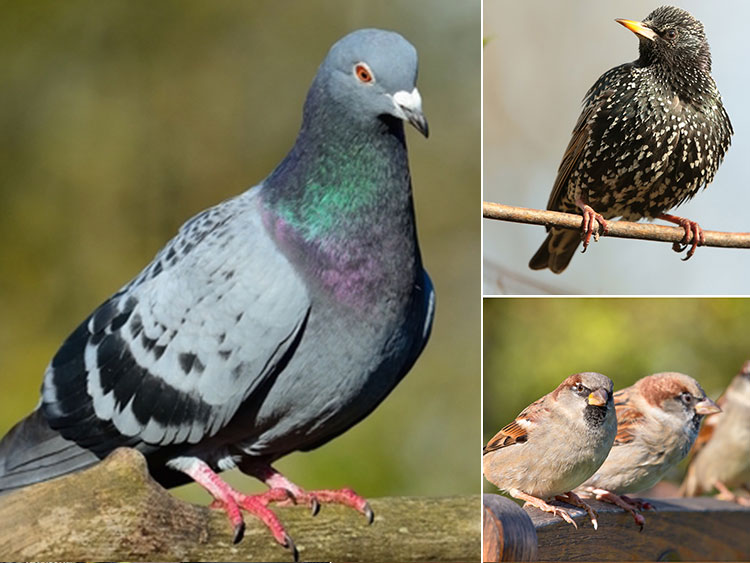
Professional Pigeon, Starling, & Sparrow Control
Pest birds like pigeons, starlings, and sparrows can create hazardous messes, damage property, and even pose health risks with their droppings. You can trust the wildlife control professionals at Varment Guard to handle any of your nuisance bird problems.
How to Get Rid of Nuisance Birds
Our control method options consist of habitat modification, exclusion, bird harassment or intimidation, repellents, deterrents and barriers, bird removal, and more.
Get in touch for our nuisance bird control services today!Types of Nuisance Birds
Pigeon Control
Pigeons are year-round pests commonly found in urban and rural areas. They nest on buildings and feed on grain, scraps, and manure. Their droppings deface property, clog gutters, and create slip hazards—posing health risks and driving the need for control.
- Size: 11 in., 13 oz.
- Nesting: 1–2 eggs, multiple broods
- Peak breeding: Spring and summer
- Activity: Year-round
- Diet: Seeds, grain, food waste, manure
Why Pigeon Control Matters
Pigeon droppings damage buildings and contaminate food and feed supplies. They are known carriers of diseases like histoplasmosis and salmonella, and can harbor mites and other parasites that affect people.
Starling Control
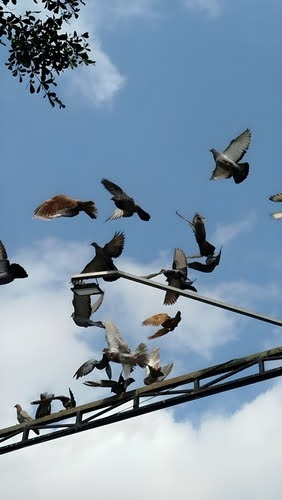
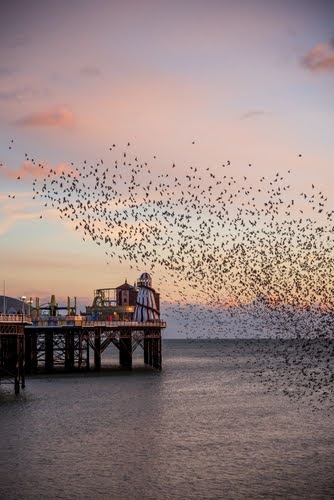
Starlings are invasive, year-round pests that thrive in both urban and suburban areas. They frequently nest in vents, soffits, and signs, causing damage and health concerns. Known for forming large flocks, starlings leave behind droppings, noise, and contamination.
- Size: 7.5–8.5 in., 2.5–3.5 oz.
- Nesting: 2–8 eggs (typically 4–6), two broods per year
- Peak breeding: Spring and summer
- Activity: Year-round
- Diet: Insects, fruit, seeds, grain, food scraps, livestock feed
Why Starling Control Matters
Starling droppings corrode surfaces and create slip hazards. Their nests can block vents, increasing fire and moisture risks. Large flocks spread diseases like histoplasmosis, damage crops, and contaminate feed supplies.
Sparrow Control
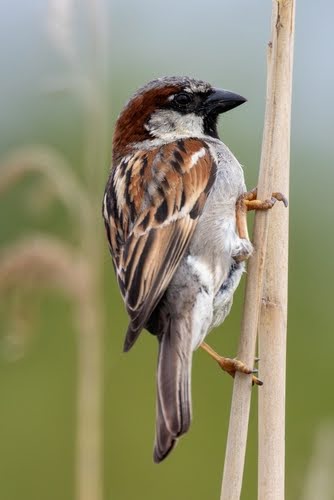
House sparrows are small, invasive birds that thrive around homes, farms, and commercial buildings. They often nest in vents, rafters, and signs, leaving behind waste and structural damage. Their ability to adapt to human environments makes them difficult to control.
- Size: 5–6 in., approximately 1 oz.
- Nesting: 3–9 eggs (usually 5–6), up to 5 broods per year
- Peak breeding: March through August
- Activity: Year-round
- Diet: Seeds, grain, insects, fruit, food scraps, livestock feed
Why Sparrow Control Matters
Sparrow nests and droppings can damage insulation, clog vents, and even trigger electrical fires. They contaminate food and feed supplies, carry parasites, and are known to spread dozens of diseases, including salmonellosis and encephalitis.
Nuisance Bird Control Methods
Sanitation & Habitat Modification for Bird Control
Reducing access to food, shelter, and nesting materials is a key step in controlling nuisance birds like pigeons, starlings, and sparrows.
While not always a complete solution, effective sanitation and habitat changes can greatly reduce bird activity.
Key Sanitation & Habitat Modification Strategies Include:
- Removing spilled food, waste, or open feed sources
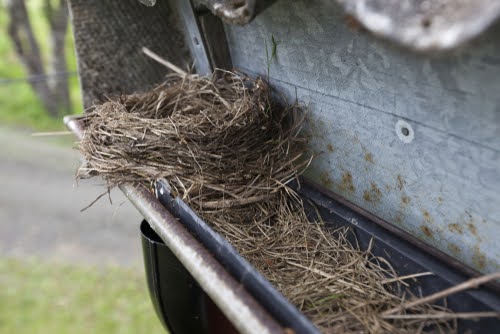
- Clearing out bird nests and destroying nesting materials
- Pruning trees to eliminate inner branches that serve as roosting spots
- Trimming or removing dense vines on buildings where sparrows may nest
- Cleaning up knocked-down nests to prevent reuse and limit parasites
These steps are best paired with exclusion solutions for long-term prevention.
Bird Exclusion: The Most Effective Long-Term Solution
The most reliable way to stop nuisance birds from nesting or roosting on structures is to exclude them entirely. While not always a simple process, bird-proofing buildings help prevent recurring issues.
Effective Bird Exclusion Methods Include:
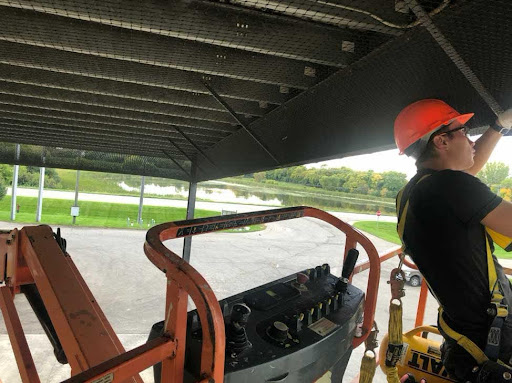
- Installing fine mesh bird netting on large, recessed areas like balconies, rafters, or bridge bracings
- Sealing smaller gaps (e.g., dormer corners, louvers) with ½-inch galvanized hardware cloth or sheet metal
- Capping hollow posts to block sparrow and starling nest access
- Screening over soffits and exhaust vents with approved covers or mesh after nests are removed
Combining exclusion with cleanup ensures birds can’t return to rebuild or spread parasites.
Avix Laser Bird Deterrent: An Innovative Solution For Bird Control
The Avix Laser Bird Deterrent system uses lasers to create a visual disturbance that makes birds uncomfortable, causing them to leave the area. The laser beam sweeps back and forth across the targeted area, creating a non-lethal deterrent that is harmless to both birds and humans. The laser beam is green, which is the most effective color for bird control, and it can cover a wide area.
Bird Repellents, Deterrents, & Barriers
Physical barriers are among the most effective long-term solutions for keeping nuisance birds like pigeons from perching or nesting on buildings.
Common deterrent options include:
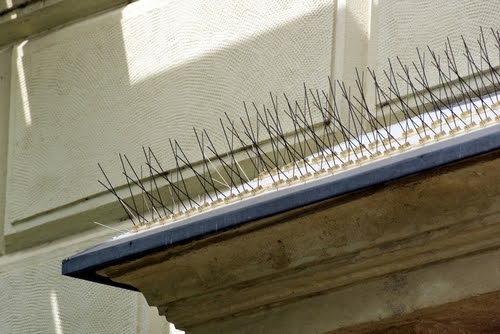
- Bird spikes: Wire, plastic, or metal prongs installed on ledges, windowsills, beams, and rafters to prevent landing. Wide surfaces may require multiple rows.
- Tensioned wire systems: Thin wires stretched at varied heights to block perching on ledges, pipes, or beams.
- Shock track systems: Electrified strips emit a harmless but unpleasant shock to deter birds. These are highly effective but require maintenance to avoid shorting from debris or dirt.
Nuisance Bird Removal
For invasive species, flock reduction may be necessary when deterrents alone don’t work. Humane options include live-trapping, mist netting, repellents, or targeted removal.
Live Bird Trapping: Targeted Control for Pigeons & Sparrows
Live-trapping is a humane and effective way to reduce pigeon and sparrow populations when done strategically and consistently.
Pigeon Trapping Techniques:
- Bob-type walk-in traps are the most effective, using swing doors that allow pigeons to enter but not exit.
- Pre-baiting with grain (like corn or wheat) helps build trust before active trapping begins.
- Live decoy pigeons can improve success—just ensure food and water are provided.
- Traps must be checked frequently, and captured birds should never be released, as pigeons will return due to their homing instinct.
Sparrow Trapping Techniques:
- Funnel traps are the most successful, especially in feeding areas.
- Traps may be baited with cracked grains or chick feed, and decoys can boost catch rates.
- Trapping is most effective during certain seasons and when other food sources are limited.
Chemical Control: Bird Repellents
Chemical methods can help deter nuisance birds from specific areas when used properly and in combination with exclusion or sanitation.
Gel Repellents (Non-Toxic, No-Kill) Gel Repellents (Non-Toxic, No-Kill)
- Applied in tacky beads or discs on ledges and beams to discourage perching.
- Designed to irritate without harming or trapping birds.
- Not effective for nesting birds and may require reapplication.
- Surfaces like wood or concrete should be sealed to prevent staining.
| Varment Guard uses only non-lethal repellents. We do not apply any bird control products designed to kill. |
Request A Service
How to Get Rid of Nuisance Birds: Contact Varment Guard
Whether you’re looking for pigeon trapping or nest removal, you can count on the Varment Guard team. Schedule a service today to keep your space free of nuisance birds!
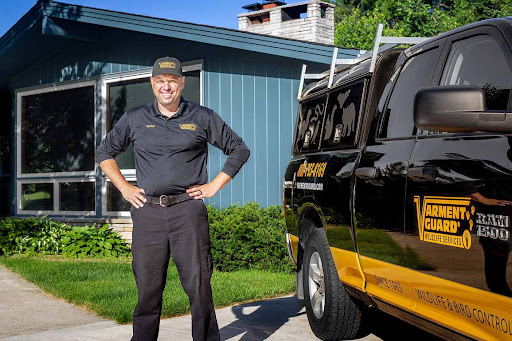
We can rid you of any bird problems safely and efficiently!
Frequently Asked Questions
What are the Health Risks Associated with Bird Pests and How Can They Be Mitigated?
What are the Health Risks Associated with Bird Pests and How Can They Be Mitigated? Bird droppings can carry serious diseases such as histoplasmosis and salmonellosis. When birds nest in vents or roost in high-traffic areas, the risk increases. Regular sanitation, nest removal, and the installation of exclusion devices are critical to keeping your property safe.
Are there Humane Ways to Prevent a Bird Infestation in a Residential Area?
Yes. At Varment Guard, we use humane bird control methods like vent covers, exclusion netting, and visual deterrents. These approaches prevent nesting without harming the birds, especially for invasive but unprotected species like starlings and house sparrows.
What are Some of the Most Effective Methods for Controlling Nuisance Birds?
The best results come from combining exclusion techniques (such as sealing vents and installing netting) with habitat modification and, in some cases, flock dispersal programs. Each site is unique—our experts customize the plan based on bird species, location, and risk level.
How Do Pest Control Companies, Like Varment Guard, Deal with Pest Birds?
Professional bird control starts with an inspection. From there, our certified technicians may remove nesting material, sanitize contaminated areas, install exclusion hardware, and provide long-term deterrents. For larger infestations, especially in commercial spaces, we may deploy trapping or dispersal programs as permitted by law.