Blog Summary
Chipmunks dig burrows near food sources like gardens, bird feeders, and fruit trees, and can also move into garages, sheds, and crawlspaces when given the chance. Knowing the signs of chipmunk activity, both outdoors and inside your home, along with removing easy food and shelter, is the first step to keeping them away. For chipmunks that have already moved in, Varment Guard's certified technicians offer humane trapping and exclusion services.
Chipmunks are always on the lookout for food (and places to hide that food). They spend the spring and summer months stockpiling nuts, berries, seeds, and other food in various stashes around their territory. When they're not stockpiling, chipmunks are industrious procreators who have two litters of two to five baby chipmunks per summer. This can make them quite the nuisance.
If your yard has food and shelter, chipmunks may want to set up shop there. Let's dive into what attracts chipmunks along with strategies for deterring them. Then, when they become too much for your yard, garden, or home, the experts at Varment Guard are ready to help.
What Is a Chipmunk? Meet the Cheeky Rodent of North America
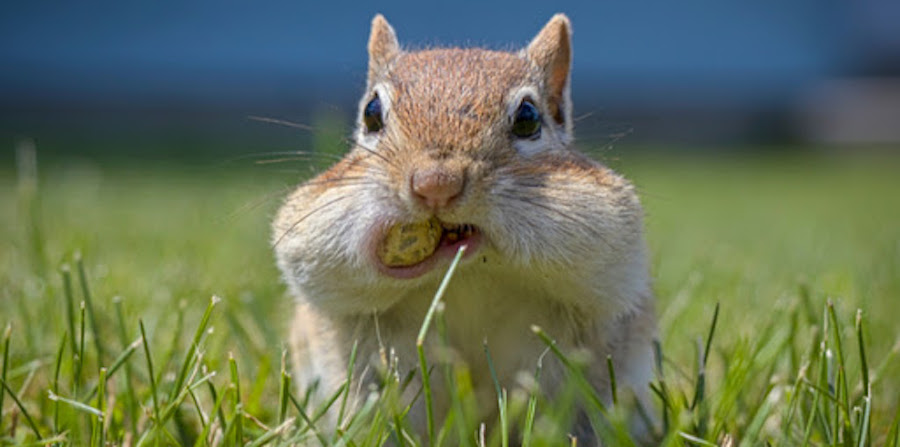
Chipmunks are small rodents in the Sciuridae, or squirrel, family. There are 25 species and all, except the Siberian chipmunk, are native to North America. Different chipmunk species live in a wide variety of different environments, from wooded areas to deserts.
Chipmunks are famous for their "chubby" cheeks, which can inflate to disproportionate sizes to store food. They use these cheeks to collect food before bringing it to caches they set up throughout their home territories.
The Most Common Culprit: The Eastern Chipmunk

The most common chipmunk in the US is the eastern chipmunk (Tamias striatus). Eastern chipmunks are 5 to 6 inches long with light tan fur and a white underbelly. Adult eastern chipmunks have long black-and-white stripes running down their backs.
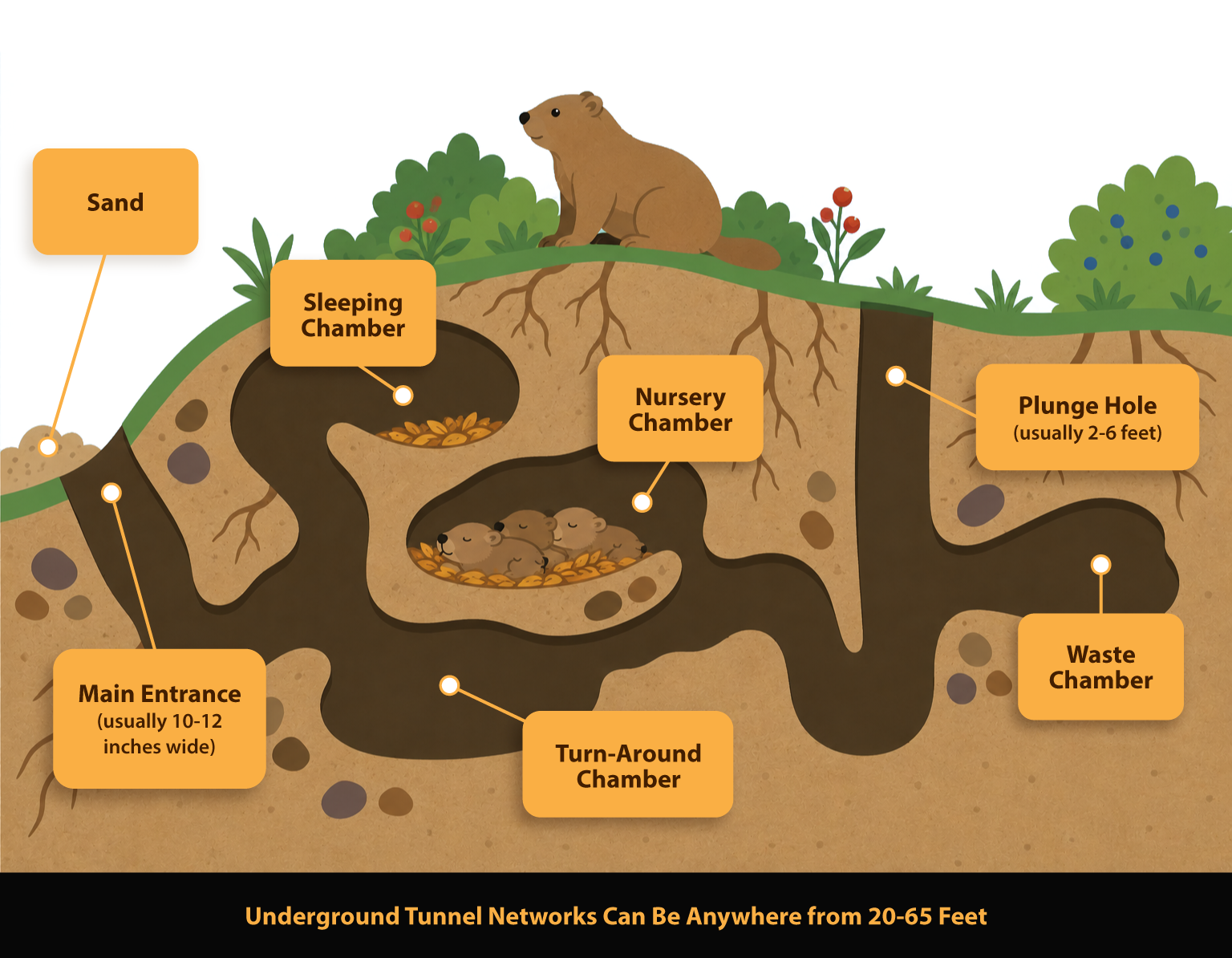
These types of chipmunks have adapted to living near humans. They live in urban and suburban environments and dig surprisingly elaborate burrows near food sources. They may also move into pre-existing burrows or other forms of natural shelter such as tree hollows.
Understanding Chipmunk Behavior: How They Forage & Hide Their Stashes
Like squirrels, chipmunks don't hibernate. They need to fatten up for winter, storing anything they can't eat in hidden caches. During cold months, they only leave their nests to retrieve food.
Despite their energetic behavior, chipmunks are cautious. To protect their food from predators, they live and forage in natural cover like tall grasses, bushes, and logs. Their burrows and food caches are carefully hidden in inaccessible areas.
Diet: What Do Chipmunks Eat?
As opportunistic scavengers, chipmunks are not picky eaters. They're particularly attracted to any food sources that are small or compact and easy to transport quickly. The diet of a chipmunk hanging around your yard likely includes:
- Nuts
- Acorns
- Flowers and flower bulbs
- Berries
- Bird seed
- Fruits
- Mushrooms
- Bird eggs
If chipmunks are frequenting your home, yard, or garden it's likely because they've found a reliable food source, such as bird feeders, flower beds, pet food, or garbage. They'll keep returning to stock their caches. Fruit trees, berry bushes, and seed-producing plants can also attract them.
Plus, chipmunks prefer to forage in safe, easy-to-navigate areas, so the more cover your yard provides, the more inviting it becomes for these pesky rodents.
Signs You Have a Chipmunk Problem
Before you can deal with chipmunks, it helps to know you're actually dealing with chipmunks. Look for these common signs:
- Small, quarter-sized holes near foundations, patios, retaining walls, or garden beds, usually without a mound of dirt piled next to the entrance
- Gnaw marks on bulbs, seed packets, or the plastic housing of bird feeders
- Shallow tunneling just beneath mulch or garden soil
- Quick, darting movement along fence lines, woodpiles, or stone walls
- A high-pitched "chip-chip" chattering sound, often repeated for long stretches
- Missing flower bulbs or disturbed rows in a freshly planted garden
If you're noticing several of these signs at once, chipmunks have likely already established a burrow system somewhere on your property.
What Kind of Damage Do Chipmunks Cause?
When their population goes unchecked, chipmunks can cause a multitude of problems, including:
1. Yard & Garden Damage
Chipmunks love to dig. Their burrowing behavior can uproot plants, disturb flower beds, and damage vegetable gardens. You may also notice holes near sidewalks, patios, or foundations—signs that chipmunks are tunneling underneath your property.
2. Structural Risks
Though rare, chipmunks may burrow too close to homes or buildings, leading to soil erosion and even minor structural instability over time. Burrows near steps, porches, or decks can lead to sunken areas and tripping hazards.
3. Attraction of Predators
Chipmunks' presence can attract predators like snakes, foxes, or birds of prey to your yard, putting pets and other wildlife at risk.
4. Stored Food & Droppings
If chipmunks find a way indoors—such as a crawlspace or shed—they may hoard food and leave behind droppings, increasing the risk of contamination and unpleasant odors.
Can Chipmunks Get Inside My House?
Chipmunks generally prefer to stay outdoors, but they will move into a structure if it offers easy shelter. Garages, sheds, crawlspaces, and gaps beneath decks and porches are common entry points, especially where foundation cracks, vent gaps, or loose siding give them access. Once inside, chipmunks may build nests in insulation, store food caches in wall voids, and leave droppings that create odor and contamination concerns.
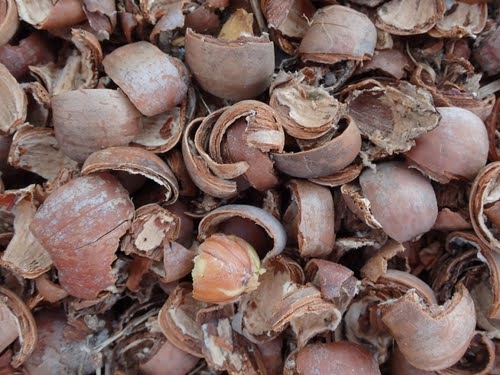
Signs of an indoor chipmunk problem include scratching or scurrying sounds in walls or ceilings, small entry holes around the foundation or siding, and stored food debris like seed hulls or nut shells in out-of-the-way corners.
Because chipmunks that get inside are difficult to fully remove and exclude on your own, this is where professional help matters most. Varment Guard's certified technicians locate every entry point, safely remove chipmunks already inside, and seal the structure to keep others from following. For more on how these entries happen, check out our guide on how chipmunks get inside your home.
How Do I Get Rid of Chipmunks?
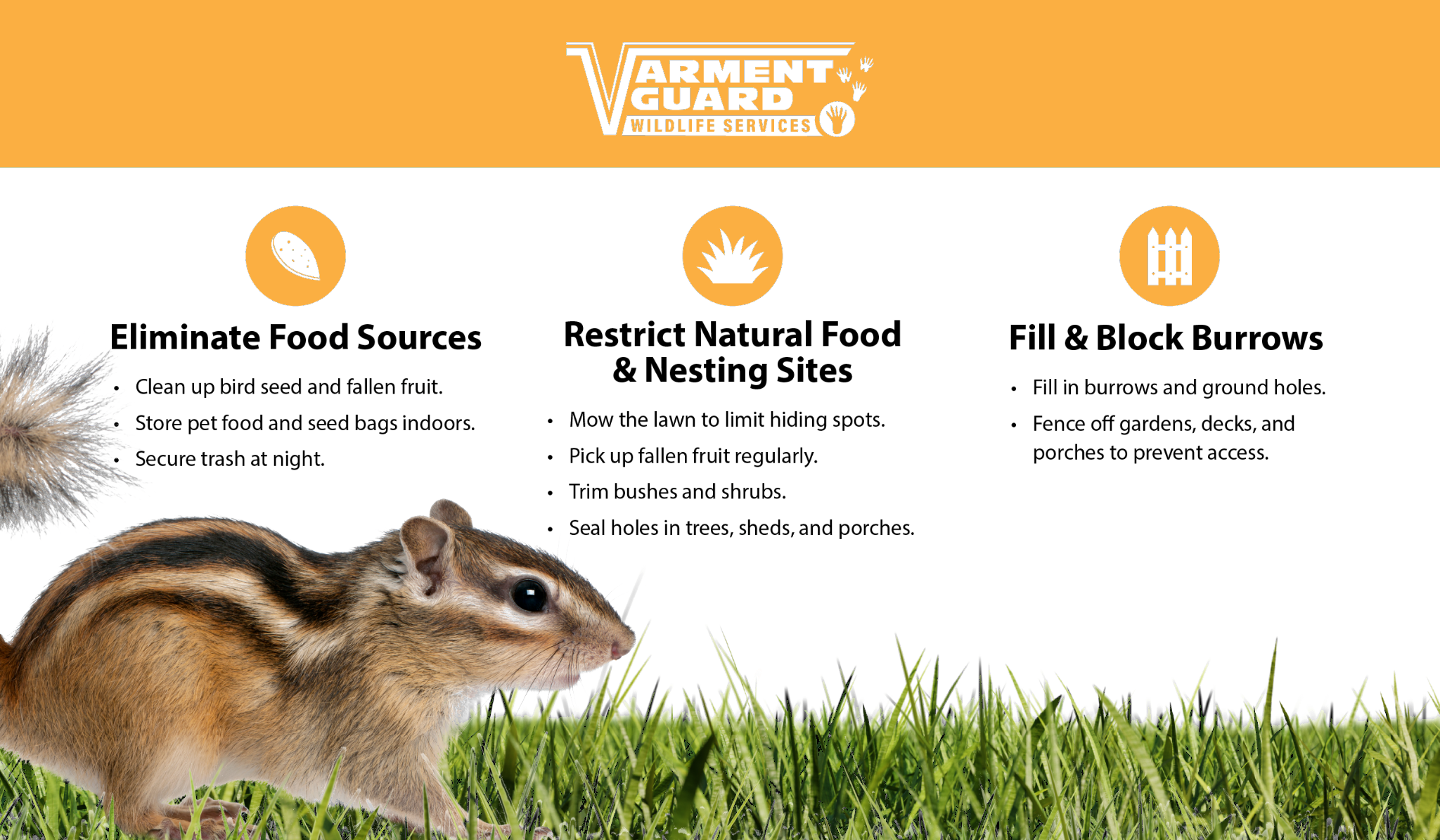
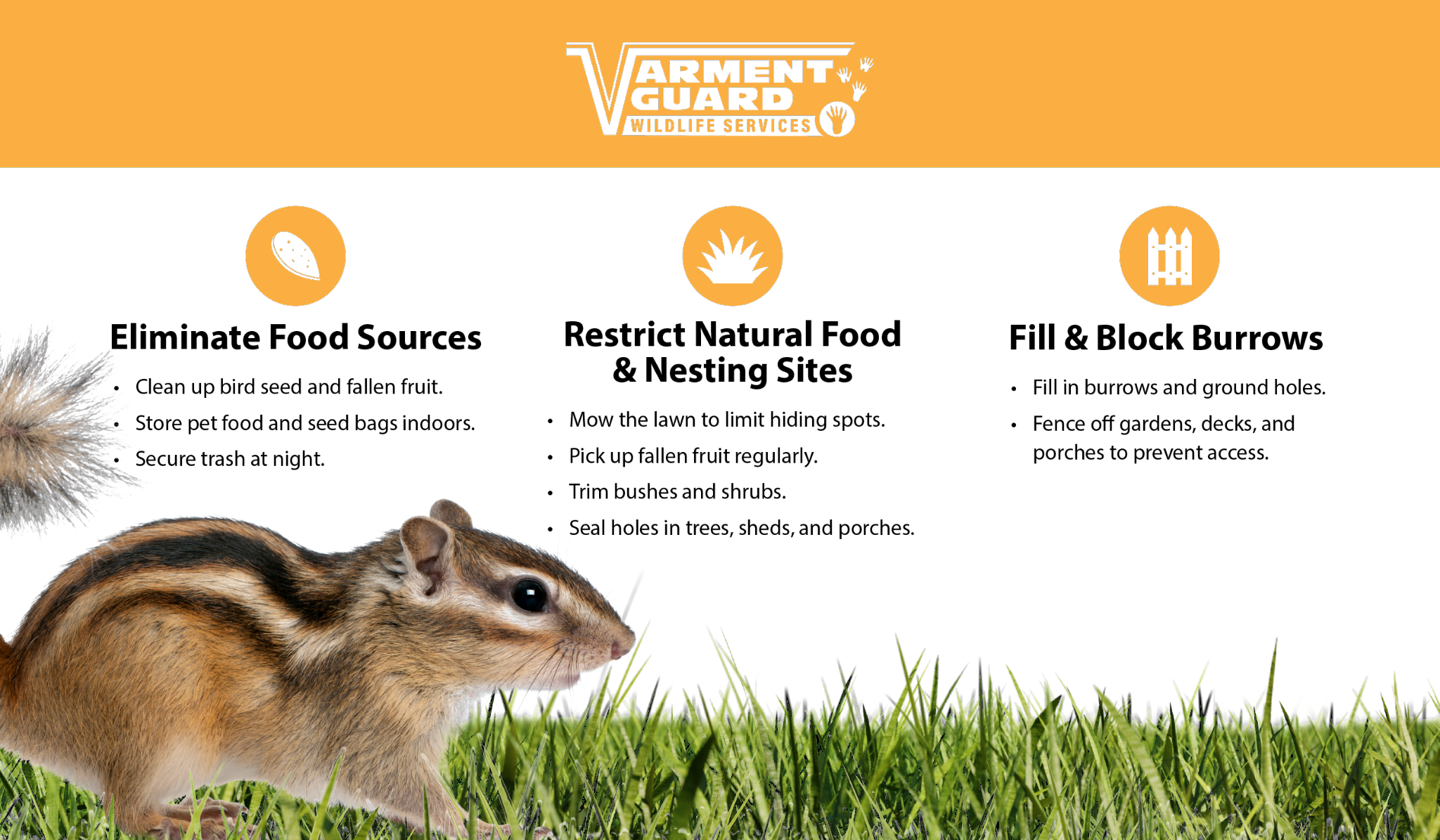
Start by eliminating easy food sources:
- Clean up fallen seed around your bird feeder
- Bring seed bags and pet food inside your home or garage
- Secure your trash at night to prevent chipmunks from sneaking inside
- Fence off flower and vegetable gardens
Next, tackle natural food sources and nesting areas:
- Mow your lawn regularly to limit hiding spots
- Pick up fallen fruit before it rots
- Trim bushes to reduce shelter
- Seal holes in trees, sheds, and porches
- Fill in burrows and ground holes
- Fence off spaces like under porches or decks
These steps will make your property less inviting to chipmunks. However, if the problem persists, it may be time to call in the experts at Varment Guard. With years of experience in wildlife control, we specialize in humane chipmunk removal and prevention. Our certified technicians will rodent-proof your home and use live traps to safely relocate chipmunks.
Schedule Chipmunk Pest Control for Your Property

Keeping chipmunks away from your home can feel like an uphill battle. Let the experts at Varment Guard manage the frontline against chipmunk infestations and other wildlife pest issues. Contact Varment Guard to schedule chipmunk control or removal today!